Centre Vedantique Ramakrishna

ABOUT US
Centre Vedantique Ramakrishna
The intellectual groundwork for the Centre was laid long before its physical doors opened. In France, the names of Sri Ramakrishna and Swami Vivekananda first entered the broader public consciousness in 1929 and 1930, when Nobel laureate Romain Rolland published their respective biographies. This growing interest culminated in 1936, when the Musée Guimet celebrated the centenary of Sri Ramakrishna’s birth, and the Université de la Sorbonne formally paid homage to Swami Vivekananda. Following these landmark academic events, a group known as the “Friends of Indian Thought” petitioned the Ramakrishna Order’s headquarters in Kolkata, requesting that a resident monk be sent to France to teach Vedanta.
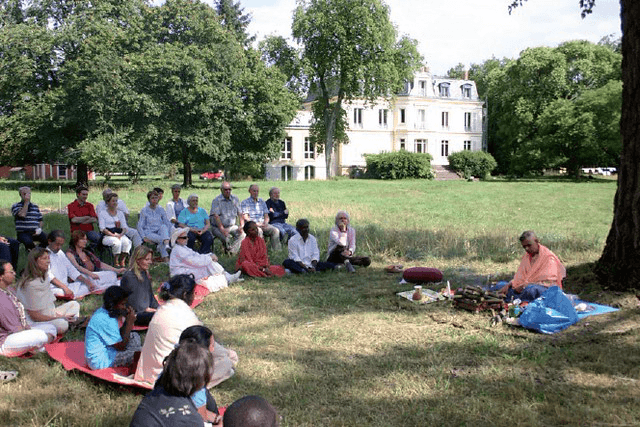
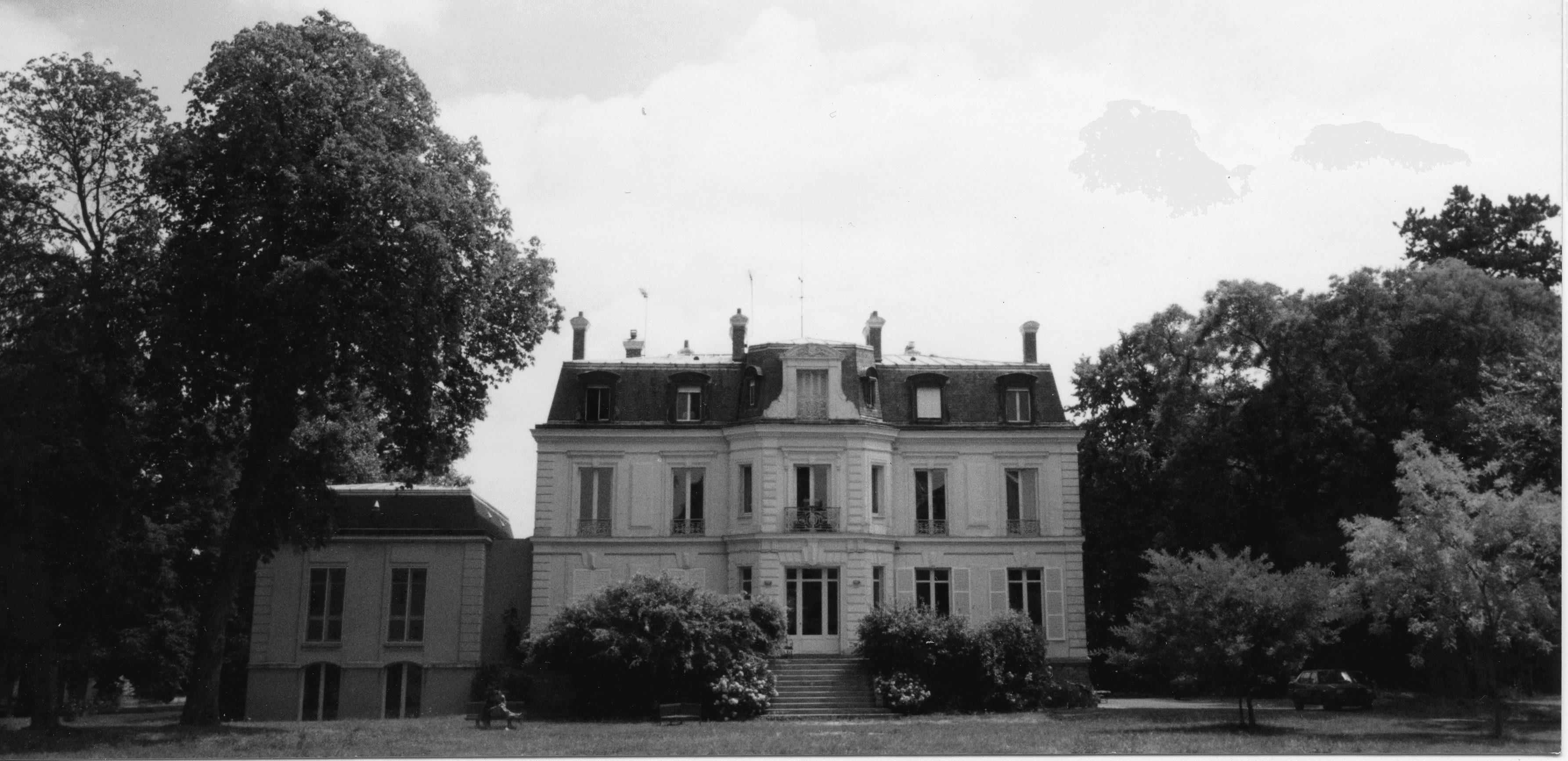
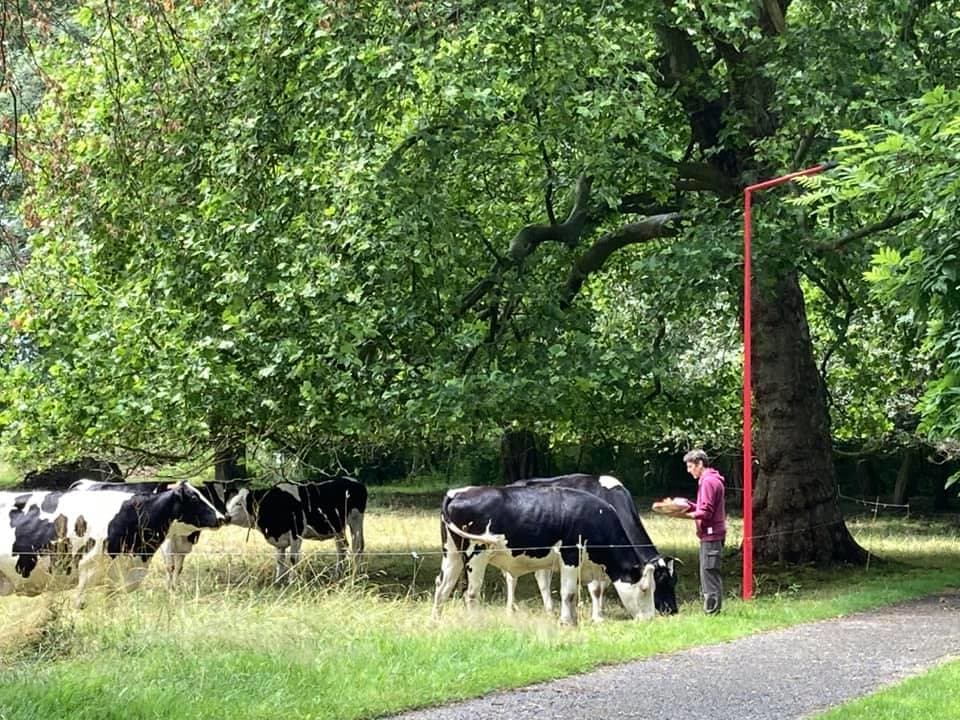
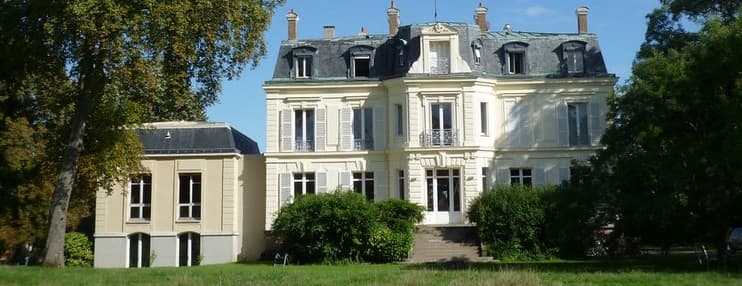
In response, Swami Siddheswarananda arrived in Paris in 1937. He immediately began lecturing on Vedantic philosophy, drawing interested listeners to private homes, the Sorbonne, and universities in Toulouse and Montpellier. His efforts established the foundation of the Centre in Paris. Following the disruptions of World War II, the expanding congregation required a permanent monastic retreat. In 1948, the Centre acquired a sprawling property in Gretz-Armainvilliers, approximately thirty kilometers outside of Paris. This location was systematically transformed into a traditional ashram. The grounds eventually expanded to encompass agricultural activities, including vegetable farming and beekeeping, integrating physical labor with spiritual practice.
Following the passing of Swami Siddheswarananda in 1957, leadership formally transitioned to Swami Ritajananda in 1961. Under his tenure, the Centre expanded its cultural footprint. A notable milestone occurred in March 1970, when the prominent French magazine Planète published a special issue devoted to Sri Ramakrishna. The release was marked by a massive gala at the Salle Pleyel concert hall in Paris, drawing an audience of over two thousand people and elevating the Centre's teachings from a quiet ashram practice to a matter of widespread public interest. Additionally, figures like Swami Vidyatmananda, who managed the ashram until 2000, played critical roles in chronicling and translating Vedantic literature for Western audiences.
When Swami Ritajananda passed away in 1994, Swami Veetamohananda assumed responsibility. He actively represented Hinduism in France, widely participating in monastic inter-religious dialogues and traveling extensively to lecture until his death in November 2019. In April 2022, Swami Atmarupananda, an American-born monk who had previously overseen substantial editorial work for the Ramakrishna Order, was appointed as the President and Spiritual Director.
Today, the Centre Vedantique Ramakrishna at Gretz continues its daily operations. It hosts weekly Sanskrit classes, meditation retreats, and interfaith seminars, while publishing its quarterly French-language Vedanta magazine. Even as the decades progress and new leadership guides the ashram, the foundational aesthetic and disciplined focus of the space endure, remaining grounded in the original mission of spreading Vedantic thought across Europe.




Centre Vedantique Ramakrishna, Boulevard Victor-Hugo, France
Address: 64 Boulevard Victor-Hugo, 77220 Gretz, France, Boulevard Victor-Hugo, Gretz, France
Contact: + 33 (0)1 64 07 03 11
Email: contact@centre-vedantique.fr
Website: vedanta.org
Copyright © 2024-2026 Centre Vedantique Ramakrishna, all rights reserved